1.AWS Project
One of the most memorable projects was implementing AWS Direct Connect, which established a dedicated connection between AWS and an on-premises data center.

In this article, one of our engineers introduces an AWS project that Avaxia has been involved in, the implementation of AWS Direct Connect, which establishes a dedicated connection between AWS and on-premises data centers. Through this project, we share how our team tackled key challenges and applied creative solutions to achieve seamless integration between cloud and on-premises network environments.
One of the most memorable projects was implementing AWS Direct Connect, which established a dedicated connection between AWS and an on-premises data center.
Direct Connect is a service that establishes a dedicated connection between a data center or office network and AWS. It is used when a more stable and high-speed communication environment is required than a VPN can provide.
(Reference:https://aws.amazon.com/jp/directconnect/)
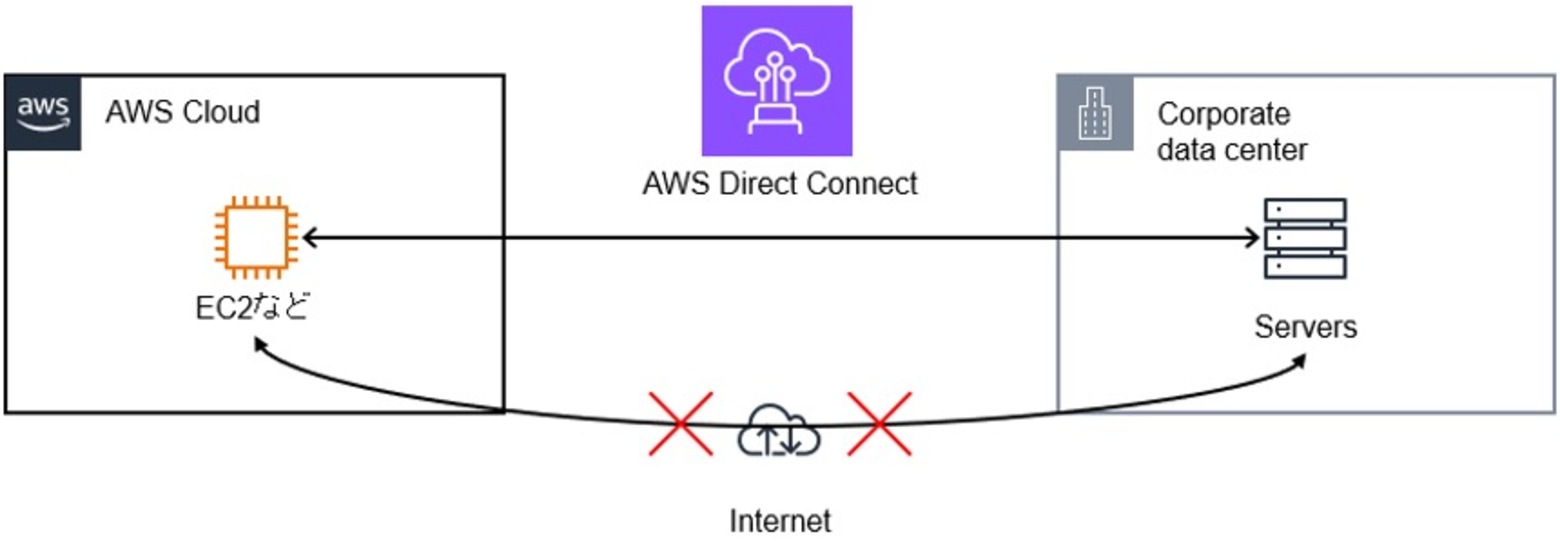
This project involved close collaboration between the customer, the network vendor, and our team at Avaxia, who managed cloud infrastructure.
Since this was my first project involving AWS Direct Connect, my team initially assumed that we would simply connect AWS directly to the data center based on the provided diagram. However, we soon discovered that Direct Connect offers multiple connection patterns, which we needed to understand before moving forward.
Through ongoing communication with the network vendor managing the customer’s network, we learned that this project required a hosted virtual interface. While this decision had already been made, it was not communicated during the early project meetings. As a result, our initial conversations with the network vendor were misaligned, and I struggled to understand the requirements during that phase.
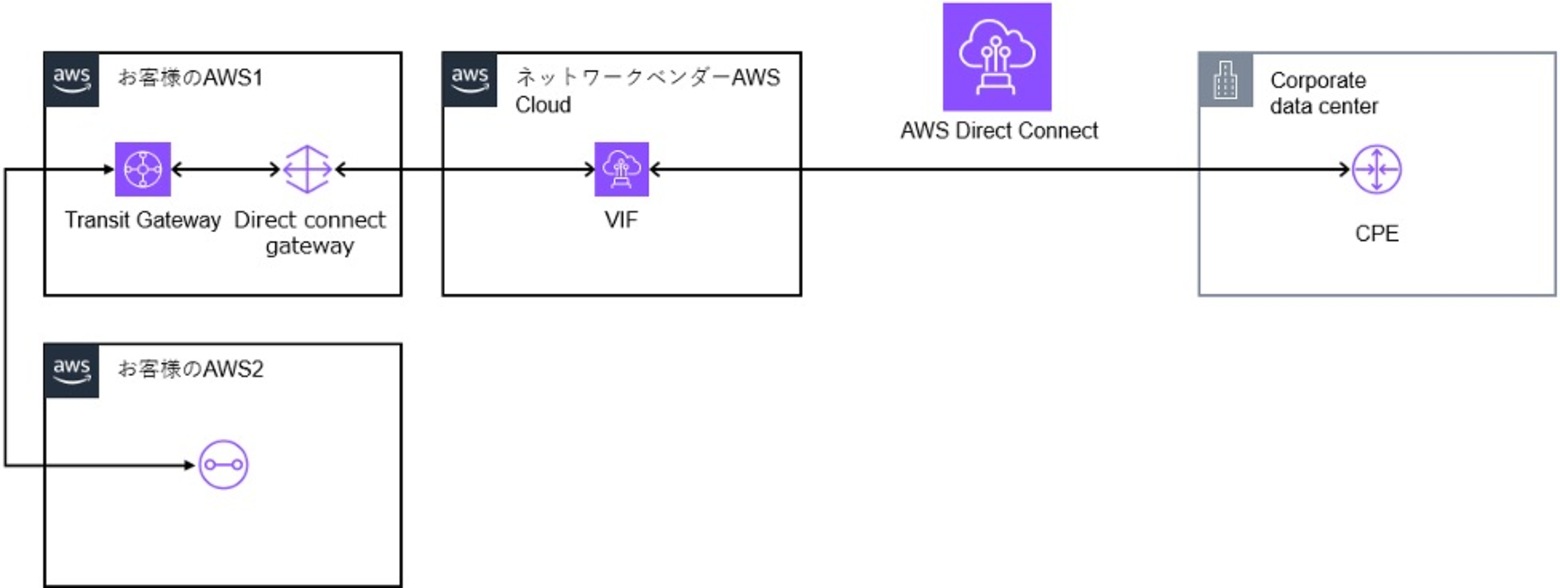
Using a hosted virtual interface eliminated the need for physical construction work. The network vendor’s AWS environment was already connected to the data center through a dedicated line, as shown in the diagram below. This approach works by leveraging the vendor’s existing Direct Connect connection and allocating a virtual interface (VIF) from their environment to the customer’s AWS account. This allows the customer’s AWS environment to connect to the data center through the same dedicated line.

In addition, the customer operated multiple AWS environments and had a requirement to connect them using AWS Transit Gateway, which acts as a cloud-based router that links Virtual Private Clouds (VPCs) and on-premises networks.
As a result, here is what the final system architecture looked like, as shown in the diagram below.
The project became quite challenging due to the complexity of Direct Connect connection patterns and the need to modify how the customer’s AWS environments were interconnected. Another difficulty was that our inability to perform pre-deployment testing with Direct Connect, since we lacked our own data center environment. While we could pre-test Transit Gateway, any design mistake on our side could delay the customer’s migration to the dedicated line, which created big pressure.
Thanks to the support of many people, we successfully completed the transition despite these challenges. This experience greatly contributed to my professional growth.
Beyond this project, Avaxia has also undertaken various initiatives, including data backup using Amazon S3 and building RPA execution environments with Amazon WorkSpaces. AWS offers a wide range of services, and I find it fascinating how combining them enables us to deliver diverse solutions.
We will continue to carefully select and implement the most suitable services, including AWS, to deliver optimal outcomes for our customers. At Avaxia, we design optimal cloud environments tailored to each customer’s unique challenges and objectives and provide reliable support throughout implementation and beyond. If you are facing cloud-related challenges, please feel free to contact us.